

 31 August, 2026
Best Diet for Knee Osteoarthritis: Can Food Reduce Knee Pain and Inflammation?
Knee osteoarthritis is one of the most common joint problems in adults, especially after the age of 50. It is often described simply as “wear and tear” of the knee, but the condition is more complex than mechanical damage alone.
Body weight, muscle strength, metabolic health, inflammation, diabetes, cholesterol, blood pressure, physical activity and diet can all influence how a person experiences osteoarthritis.
This naturally leads to an important question:
Can changing your diet actually help knee arthritis?
Diet cannot regrow severely damaged cartilage or reverse advanced osteoarthritis. However, a healthy eating pattern can support weight control, muscle strength, metabolic health and lower overall inflammatory burden—all of which can contribute to better joint health and function.
In this article, Dr. Arun Kannan, Orthopaedic Surgeon at Apollo Hospitals, Chennai and Jayam Ortho Care, Kodambakkam, explains how diet may influence knee osteoarthritis and what patients should focus on in everyday meals.
What Is Knee Osteoarthritis?
Knee osteoarthritis is a degenerative condition affecting the cartilage and other structures within the knee joint.
Cartilage is the smooth protective tissue covering the ends of the bones. It allows the joint to move with minimal friction.
As osteoarthritis progresses:
- Cartilage gradually becomes thinner
- Joint surfaces may become rougher
- Inflammation may develop
- The underlying bone experiences greater load
- Joint movement may become painful or stiff
Patients may experience:
- Pain while walking
- Difficulty climbing stairs
- Pain while getting up from a chair
- Difficulty squatting
- Knee stiffness
- Swelling
- Grinding or cracking sensations
- Reduced walking distance
- Bow-leg or knock-knee deformity in advanced disease
Is Knee Osteoarthritis Only a “Wear and Tear” Problem?
Not entirely.
Mechanical stress is certainly important.
Factors such as:
- Body weight
- Alignment of the knee
- Previous injury
- Repetitive loading
- Muscle weakness
can contribute to osteoarthritis.
But researchers increasingly recognise that metabolic and inflammatory factors also play an important role.
People with conditions such as:
- Obesity
- Diabetes
- High cholesterol
- High blood pressure
- Metabolic syndrome
may have a higher overall inflammatory burden within the body.
This does not mean these conditions directly “cause” every case of knee arthritis, but they may influence disease progression, pain and general health.
Why Body Weight Matters So Much
Body weight has both a mechanical and metabolic effect on the knee.
Mechanically, every extra kilogram of body weight increases the load transmitted through the knee during activities such as:
- Walking
- Stair climbing
- Standing up
- Squatting
When a person is overweight, the knee experiences that additional load thousands of times throughout the day.
But body fat is not simply passive storage.
Fat tissue also releases substances that can influence inflammation and metabolism.
Therefore, losing excess weight can help in two ways:
1. Less mechanical stress on the knee
2. Better overall metabolic and inflammatory health
Even modest, sustainable weight reduction can make daily activities easier for many patients.
Can Diet Reduce Inflammation?
Diet can influence the overall metabolic environment of the body.
A diet dominated by:
- Refined carbohydrates
- Added sugars
- Highly processed foods
- Excess saturated fat
- Deep-fried foods
- Low-fibre foods
may contribute to weight gain and poorer metabolic health when consumed regularly in excess.
In contrast, a dietary pattern rich in:
- Vegetables
- Fruits
- Whole grains
- Pulses
- Legumes
- Nuts
- Seeds
- Appropriate protein
- Healthy fats
is generally associated with better metabolic and cardiovascular health.
For someone with knee osteoarthritis, the goal should therefore be a balanced, sustainable, nutrient-rich diet rather than looking for a single miracle “anti-inflammatory” food.
The Problem With a Very High-Carbohydrate Diet
In many Indian diets, a large portion of the meal may consist of:
- White rice
- Refined wheat products
- Bakery foods
- Sugary foods
- Sweetened drinks
Carbohydrates are not inherently harmful. They are an important source of energy.
The issue is quantity and quality.
When a diet contains excessive refined carbohydrates and not enough:
- Protein
- Fibre
- Vegetables
- Healthy fats
it may contribute to:
- Weight gain
- Blood-sugar fluctuations
- Insulin resistance
- Poor satiety
- Metabolic problems
The solution is not to eliminate carbohydrates completely.
Instead, improve their quality and portion size.
Choose Better Carbohydrate Sources
Where practical, choose more:
- Whole grains
- Millets
- Oats
- Brown or less-refined rice
- Whole-wheat products
- Pulses
- Beans
- Vegetables
and reduce excessive portions of:
- Refined white rice
- Maida products
- Sugary cereals
- Sweets
- Sweetened drinks
- Highly processed snacks
A balanced meal should not be 80% rice or wheat with very little protein or vegetables.
Protein Is Extremely Important for Knee Health
One of the most overlooked aspects of managing knee arthritis is muscle strength.
Strong thigh and hip muscles help support the knee.
People with knee pain often move less, and reduced activity can gradually lead to muscle loss.
This creates a cycle:
Knee pain → less activity → weaker muscles → greater stress on the knee → more difficulty walking
Adequate dietary protein helps preserve and rebuild muscle, particularly when combined with strengthening exercises.
How Much Protein Do You Need?
For many healthy adults, approximately 0.8–1 gram of protein per kilogram of body weight per day is a reasonable general range, although individual requirements vary.
Older adults, people undertaking rehabilitation and those recovering from illness may sometimes need different amounts.
For example, a 60 kg adult may require roughly around 50–60 grams of protein per day depending on their health and activity level.
However, patients with:
- Kidney disease
- Significant liver disease
- Other metabolic conditions
should not substantially increase protein without medical or nutritional guidance.
Good Protein Sources
Vegetarian options include:
- Dal
- Lentils
- Chickpeas
- Beans
- Paneer
- Curd
- Milk
- Soy
- Tofu
- Nuts and seeds
Non-vegetarian options include:
- Eggs
- Fish
- Chicken
- Other lean protein sources
Try to distribute protein throughout the day rather than consuming almost all of it in one meal.
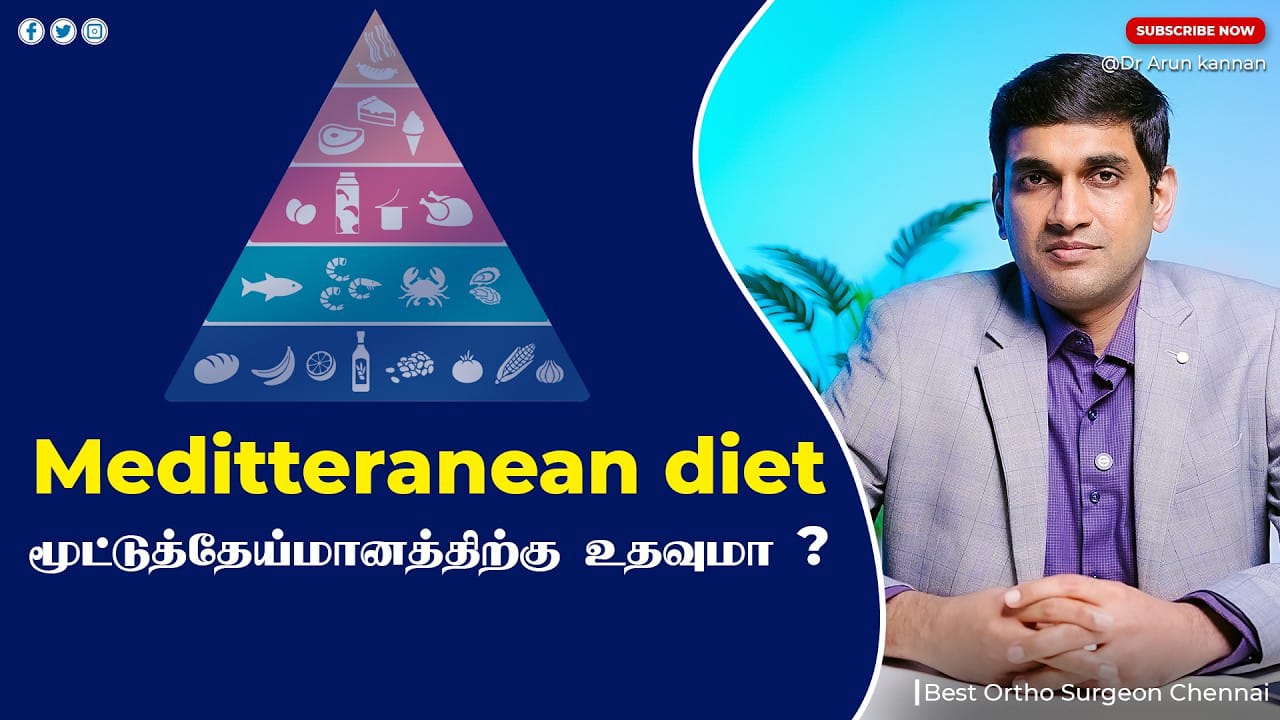
What Is a Mediterranean-Style Diet?
One dietary pattern frequently associated with good metabolic and cardiovascular health is the Mediterranean-style diet.
It is not necessary to eat European food to follow its principles.
The basic idea is to emphasise:
- Vegetables
- Fruits
- Whole grains
- Legumes
- Nuts
- Seeds
- Fish
- Moderate amounts of poultry
- Healthy unsaturated fats
while reducing:
- Processed foods
- Excess refined carbohydrates
- Red and processed meat
- Excess sugar
- Excess saturated fat
The principles can easily be adapted to an Indian diet.
What Would an Indian Mediterranean-Style Diet Look Like?
You could build meals around:
Breakfast
- Vegetable oats
- Millet dosa with sambar
- Eggs with vegetables
- Idli with protein-rich sambar and controlled portions
Lunch
- Smaller portion of rice or whole grain
- Large vegetable portion
- Dal or other protein
- Curd
- Salad
- Fish or chicken where appropriate
Snacks
- Fruit
- Handful of nuts
- Buttermilk
- Roasted chana
Dinner
- Vegetables
- Protein source
- Controlled portion of whole-grain carbohydrate
The important principle is balance, not copying one exact menu.
Are Fruits Good for Knee Arthritis?
Yes.
Fruits provide:
- Fibre
- Vitamins
- Minerals
- Polyphenols
- Antioxidant compounds
They can form an important part of a balanced diet.
Whole fruits are usually preferable to fruit juices because they contain more fibre and are generally more filling.
Patients with diabetes should still consider portion sizes and overall carbohydrate intake.
Why Vegetables Matter
Vegetables provide:
- Fibre
- Micronutrients
- Antioxidant compounds
- Volume with relatively few calories
Aim to include several colours of vegetables throughout the week.
Examples include:
- Green leafy vegetables
- Carrots
- Beans
- Tomatoes
- Capsicum
- Pumpkin
- Cabbage
- Cauliflower
- Beetroot
- Brinjal
There is no single vegetable that cures arthritis.
Variety matters more.
Are Nuts Good for Joint Health?
Nuts can be a useful part of a balanced diet.
Examples include:
- Walnuts
- Almonds
- Pistachios
They provide:
- Healthy fats
- Protein
- Fibre
- Micronutrients
Walnuts are also a plant source of alpha-linolenic acid, a type of omega-3 fatty acid.
However, nuts are calorie-dense.
A small handful is usually more appropriate than large unrestricted portions, especially if weight reduction is a goal.
What About Omega-3 Fatty Acids?
Omega-3 fatty acids are found particularly in fatty fish such as:
- Sardines
- Mackerel
- Salmon
- Certain other oily fish
They are associated with cardiovascular benefits and may influence inflammatory pathways in the body.
For knee osteoarthritis specifically, research on omega-3 supplementation is still developing, and it should not be regarded as a proven treatment that reverses arthritis.
However, including appropriate amounts of oily fish as part of an overall healthy diet can be reasonable.
Do You Need Fish-Oil Supplements?
Not necessarily.
A food-first approach is usually reasonable unless your doctor identifies another reason for supplementation.
Fish-oil capsules can also interact with some medications and may not be appropriate for everyone.
Do not assume that taking large doses of omega-3 capsules will rebuild knee cartilage.
If you are considering regular supplements, discuss them with your doctor.
Is Cholesterol Connected to Osteoarthritis?
Researchers are studying the relationship between metabolic health, blood fats and osteoarthritis.
High cholesterol is clearly an important cardiovascular risk factor.
There is also growing interest in whether abnormal lipid metabolism may influence joint inflammation and cartilage biology.
However, treating cholesterol should primarily be done because of its proven cardiovascular importance rather than expecting cholesterol medicine to cure knee osteoarthritis.
If you have elevated cholesterol, manage it appropriately through:
- Diet
- Exercise
- Weight control
- Medication when prescribed
This benefits overall health and may also create a healthier metabolic environment.
Should People With Knee Arthritis Avoid Fat?
No.
The body needs dietary fat.
The goal is to choose healthier types of fat and avoid excessive intake.
Prefer sources such as:
- Nuts
- Seeds
- Fish
- Appropriate vegetable oils
and reduce excessive:
- Deep-fried foods
- Bakery fats
- Trans fats
- Processed meat
- Very high saturated-fat intake
Is Olive Oil Necessary?
Olive oil is commonly associated with Mediterranean diets and is rich in monounsaturated fats.
It can certainly be part of a healthy dietary pattern.
However, patients in India do not need to believe that changing to olive oil alone will treat knee arthritis.
The overall diet matters much more than one cooking oil.
Whichever oil you use, quantity matters.
Too much of any oil adds substantial calories.
Can Turmeric Cure Knee Arthritis?
Turmeric contains curcumin, which has been studied for anti-inflammatory properties.
Some patients may experience modest symptom improvement from certain formulations, but turmeric should not be presented as a cure for osteoarthritis.
Normal culinary use is generally reasonable.
High-dose supplements should be discussed with your doctor, especially if you take:
- Blood thinners
- Multiple medications
- Medicines for other chronic conditions
Does Ginger Help?
Ginger also contains compounds studied for anti-inflammatory effects.
Using ginger as part of regular cooking is reasonable.
However, it should complement—not replace—evidence-based arthritis management.
What Foods Should Be Reduced?
Instead of creating a long list of completely “forbidden” foods, focus on reducing frequent intake of:
- Sugary beverages
- Sweets
- Deep-fried snacks
- Bakery products
- Highly processed foods
- Refined flour products
- Excessive white rice portions
- Processed meat
- Excess red meat
- Foods very high in salt
- Excess alcohol
Occasional consumption is very different from making these foods the foundation of your daily diet.
Is Sugar Bad for Knee Arthritis?
Sugar does not directly “eat away” knee cartilage.
However, excessive added sugar can contribute to:
- Weight gain
- Poor blood-sugar control
- Metabolic dysfunction
These factors can indirectly make osteoarthritis management more difficult.
Patients with diabetes should be particularly careful.
Can Losing Weight Reduce Knee Pain?
Yes, for overweight patients, weight reduction is one of the most valuable non-surgical treatments for knee osteoarthritis.
Less body weight means less force passing through the knee during every step.
Weight loss can also improve:
- Diabetes
- Blood pressure
- Cholesterol
- Cardiovascular fitness
- Mobility
The goal should be sustainable improvement rather than crash dieting.
Avoid Crash Diets
Rapid restrictive diets may produce short-term weight loss but can also cause:
- Muscle loss
- Weakness
- Nutrient deficiencies
- Weight regain
Losing muscle is particularly undesirable for someone with knee arthritis because strong muscles help protect the joint.
A good weight-loss plan should preserve:
- Protein intake
- Muscle strength
- Overall nutrition
while creating a reasonable calorie deficit.
Diet Alone Is Not Enough
Knee osteoarthritis is a multimodal condition.
Diet should be combined with:
- Appropriate exercise
- Quadriceps strengthening
- Weight reduction where required
- Activity modification
- Physiotherapy
- Pain management
- Injections in selected patients
- Surgery when arthritis becomes severe
No diet can replace all of these treatments when they are medically required.
Best Exercise to Combine With a Healthy Diet
For many patients, useful activities include:
- Comfortable walking
- Cycling
- Swimming
- Water walking
- Quadriceps strengthening
- Hip strengthening
- Balance exercises
If walking itself produces significant knee pain, lower-impact options such as cycling or swimming may allow better exercise tolerance.
A Simple Plate Method for Knee Arthritis
One practical way of structuring meals is:
Half the plate:
Vegetables and salad
One-quarter:
Protein such as dal, beans, paneer, eggs, fish or chicken
One-quarter:
Rice, roti, millet or another carbohydrate source
Add a small amount of healthy fat and whole fruit as appropriate.
This method can help improve:
- Portion control
- Protein intake
- Fibre
- Satiety
without requiring complicated dieting.
Frequently Asked Questions About Diet and Knee Osteoarthritis
1. Can diet cure knee osteoarthritis?
No.
Diet cannot reverse established structural cartilage damage.
However, a healthy diet can help control weight, improve metabolic health and support muscle strength, which may reduce symptoms and improve function.
2. What is the best diet for knee arthritis?
There is no single perfect arthritis diet.
A Mediterranean-style or similarly balanced diet rich in:
- Vegetables
- Fruits
- Whole grains
- Pulses
- Nuts
- Protein
- Healthy fats
is a good general approach.
3. Is rice bad for knee arthritis?
Rice itself does not cause arthritis.
The problem is usually excessive portions of refined carbohydrates, particularly when combined with low protein, low fibre and excess calorie intake.
Portion control is more important than completely eliminating rice.
4. Is wheat bad for osteoarthritis?
Wheat does not need to be avoided by most people with osteoarthritis.
Those with a specific medical condition such as coeliac disease are different.
Choose whole-grain options and sensible portions.
5. Should I stop carbohydrates completely?
No.
Carbohydrates are an important energy source.
Focus on quality, quantity and balance rather than complete elimination.
6. How much protein should I eat?
Protein requirements vary.
For many healthy adults, around 0.8–1 gram per kilogram of body weight per day is a useful general reference, but older adults or people undergoing rehabilitation may have different requirements.
Patients with kidney disease need individual advice.
7. Are eggs good for knee arthritis?
Eggs can be a useful source of high-quality protein as part of a balanced diet.
They do not directly treat arthritis but can help support muscle maintenance.
8. Is fish good for knee osteoarthritis?
Fish provides high-quality protein, and oily fish also contains omega-3 fatty acids.
It can form part of a healthy diet, although it should not be considered a cure for osteoarthritis.
9. Which fish are rich in omega-3?
Examples include:
- Sardines
- Mackerel
- Salmon
- Other oily fish
Availability and preparation methods vary by region.
10. Should I take omega-3 supplements?
Not routinely for knee arthritis without medical advice.
The evidence for osteoarthritis symptom improvement is not strong enough to recommend high-dose supplements for everyone.
11. Are walnuts good for knee pain?
Walnuts are nutritious and contain healthy fats, fibre and plant-based omega-3.
They can be included in moderation as part of a balanced diet.
12. Can almonds cure arthritis?
No.
Almonds are nutritious but do not cure osteoarthritis.
13. Is olive oil better for knee arthritis?
Olive oil can be part of a healthy dietary pattern, but it is not a treatment for cartilage damage.
Total dietary quality and calorie intake matter more.
14. Should I stop eating red meat?
Complete avoidance is not necessary for everyone.
However, frequent large portions of red or processed meat may not fit well within a heart-healthy, balanced dietary pattern.
Moderation is sensible.
15. Does sugar worsen arthritis?
Excess sugar can contribute to weight gain and poor metabolic health, which can make osteoarthritis management more difficult.
Reducing added sugar is generally beneficial.
16. Does cholesterol cause knee osteoarthritis?
The relationship between cholesterol and osteoarthritis is still being investigated.
High cholesterol should certainly be treated because of its cardiovascular risks.
Do not expect cholesterol treatment alone to cure knee arthritis.
17. Can turmeric reduce knee pain?
Some research suggests curcumin-containing preparations may provide modest symptom relief in certain patients.
However, turmeric should not replace medical treatment.
18. Is milk good for osteoarthritis?
Milk provides:
- Protein
- Calcium
- Other nutrients
and can be part of a balanced diet unless you have intolerance or another medical reason to avoid it.
19. Should I take calcium supplements for knee osteoarthritis?
Knee osteoarthritis is primarily a cartilage and joint problem, not simply a calcium deficiency.
Calcium supplementation should be based on dietary intake and bone-health requirements, not taken automatically for knee pain.
20. Does vitamin D help knee arthritis?
Vitamin D deficiency should be corrected because vitamin D is important for bone and muscle health.
However, vitamin D supplementation does not reliably reverse knee osteoarthritis.
21. Can weight loss really reduce knee pain?
Yes.
In overweight patients, losing excess weight can reduce the mechanical load on the knee and improve mobility.
22. How quickly should I lose weight?
Gradual, sustainable weight loss is preferable to crash dieting.
Rapid weight loss can lead to muscle loss, which may worsen functional weakness around the knee.
23. Should I fast to reduce arthritis inflammation?
Intermittent fasting may suit some people for weight management, but it is not necessary for treating osteoarthritis.
The overall nutritional pattern and calorie balance matter more.
People with diabetes or those taking medications should not begin fasting without medical advice.
24. Is a vegetarian diet better for knee arthritis?
A well-planned vegetarian diet can be very healthy.
A well-planned non-vegetarian diet can also be healthy.
The key factors are:
- Adequate protein
- Fibre
- Vegetables
- Whole foods
- Healthy fats
- Appropriate calories
25. Can I eat chicken if I have knee arthritis?
Yes.
Chicken can be a good source of lean protein when prepared appropriately.
Prefer grilled, baked, steamed or lightly cooked options rather than frequent deep-frying.
26. Are fruit juices healthy for arthritis?
Whole fruits are generally preferable because they provide more fibre and better satiety.
Fruit juices can contain a concentrated amount of sugar.
27. Is curd good for knee arthritis?
Curd can provide protein, calcium and beneficial nutrients and can be included in a balanced diet unless medically unsuitable.
28. What should I eat before exercise?
A light meal or snack may include:
- Fruit
- Curd
- Small amount of nuts
- Whole-grain food
depending on your dietary needs.
Avoid very heavy meals immediately before exercise.
29. What is the most important dietary change for an overweight arthritis patient?
For many patients, the biggest benefit comes from improving overall calorie balance while maintaining adequate protein and nutrition.
In simple terms:
Eat better, reduce excess portions and preserve muscle.
30. What is the most important message about diet and knee arthritis?
There is no miracle food that rebuilds knee cartilage.
Instead, focus on a sustainable dietary pattern that helps you:
- Maintain a healthy weight
- Preserve muscle
- Control diabetes
- Manage cholesterol
- Improve cardiovascular health
- Stay physically active
That provides far greater long-term benefit than searching for one “arthritis superfood.”
A Practical Daily Diet Framework
For many adults with knee osteoarthritis, a useful general pattern could be:
Morning
Protein-containing breakfast + vegetables or whole grain
Mid-morning
Whole fruit
Lunch
Vegetables + adequate protein + moderate whole-grain carbohydrate + curd
Evening
Small portion of nuts or another healthy snack
Dinner
Vegetables + protein + smaller carbohydrate portion according to activity level
Throughout the day
Adequate water and minimal sugary beverages
The exact diet should be personalised for people with:
- Diabetes
- Kidney disease
- Heart disease
- Food intolerances
- Significant obesity
Final Takeaway
Knee osteoarthritis is not simply a problem of ageing cartilage.
Mechanical load, body weight, muscle strength and overall metabolic health all influence how well a patient functions.
A healthy diet cannot replace lost cartilage, but it can become a valuable part of long-term arthritis management.
Focus on:
- Maintaining or reaching a healthy body weight
- Eating enough protein
- Choosing whole grains over excessive refined carbohydrates
- Eating plenty of vegetables and whole fruits
- Including nuts and healthy fats in moderation
- Choosing fish or lean protein where appropriate
- Reducing processed foods, excess sugar and deep-fried foods
- Combining nutrition with regular exercise and muscle strengthening
The objective is not to follow a temporary “arthritis diet.”
The goal is to build an eating pattern that supports your joints, muscles, weight and overall health for years to come.
Consult Dr. Arun Kannan
Dr. Arun Kannan
MS Ortho (AIIMS), FAOA (AUS), FARS (USA)
Senior Consultant Orthopaedic Surgeon
Knee, Hip, Sports Injury & Joint Replacement Surgeon
Apollo Hospitals
Greams Road
Chennai, Tamil Nadu
Jayam Ortho Care / Jayam Knee Clinic
4, 6th Cross Street
United India Colony
Kodambakkam
Chennai – 600024
Appointments
+91 93604 38720
044-24844718
044-24728875
Medical Disclaimer: This article is intended for general educational purposes only. Dietary needs vary depending on age, body weight, diabetes, kidney function, cardiovascular health and other medical conditions. Diet can support osteoarthritis management but cannot replace individual medical assessment or prescribed treatment. Consult your orthopaedic surgeon, physician or qualified dietitian before making major dietary changes.