

 18 February, 2026
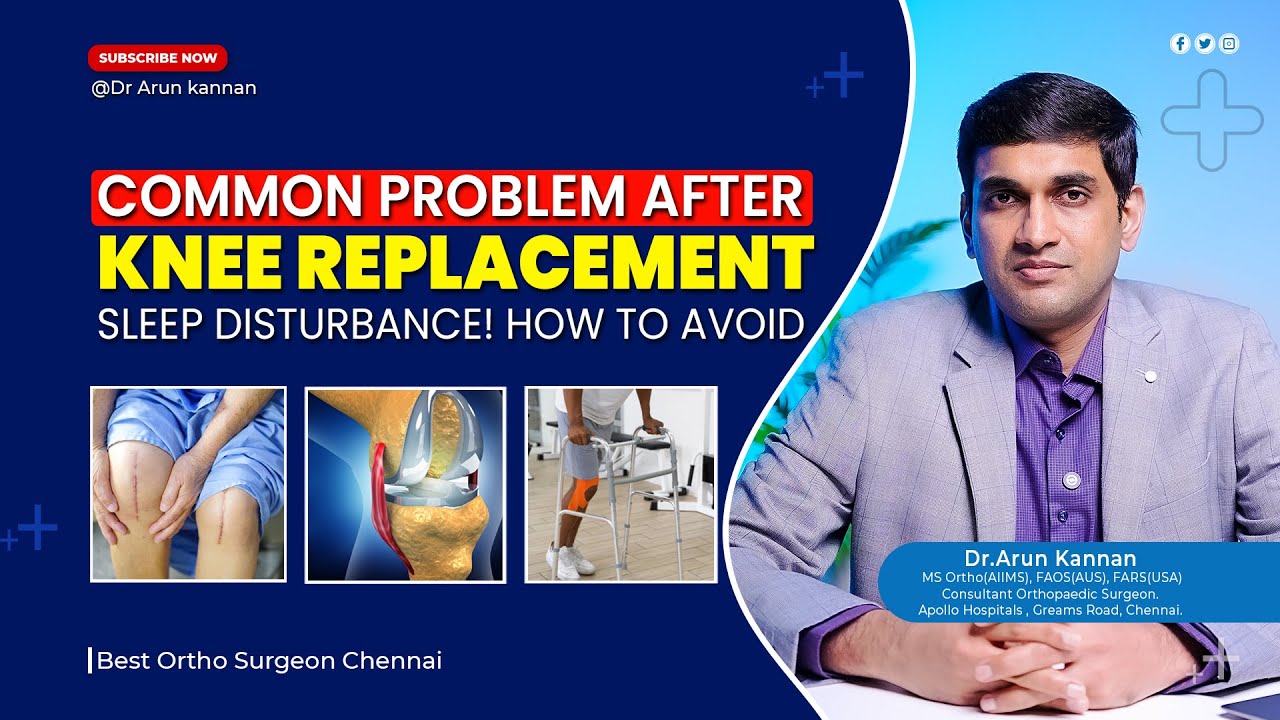
Sleep Problems After Knee Replacement: Causes and Practical Solutions
Having a knee replacement is one of the most successful operations in orthopaedics. Long-term studies show excellent results even 20 years after surgery. Still, the early recovery period brings its own challenges. One of the most common complaints after total knee replacement is trouble sleeping. Insomnia can be frustrating, slow recovery, and make you feel anxious—but it is usually temporary and manageable with the right approach.
Why sleep gets disrupted after knee replacement
Sleep disturbance after knee replacement is almost always multifactorial. Several things combine to make falling and staying asleep difficult during the first weeks and sometimes months after surgery. Understanding these causes helps to deal with each one effectively.
1. Stress and anxiety
Even though knee replacement is a standardized procedure with high success rates, many patients feel anxious before and after surgery. Questions like “Will the knee heal well?” or “Will I return to normal activity?” create mental tension. That background anxiety can easily interfere with sleep, especially in the first few weeks.
2. Pain and discomfort
Pain after surgery is expected. Although modern pain control strategies keep most pain well managed, some residual discomfort remains. Nighttime can feel worse: lying still may increase awareness of pain, and small aches or soreness can interrupt sleep. Paradoxically, some people take less pain medicine than prescribed because they fear side effects, and that under-treatment makes sleep problems worse.
3. Changes in daily activity
After surgery your daytime routine changes. Walking distance and activity are reduced for a while. Many patients nap in the morning or throughout the day because they feel tired. Those daytime naps shift the sleep cycle and reduce sleep pressure at night, making it harder to sleep when it counts.
4. Swelling and positioning
Swelling around the operated knee can cause discomfort in certain positions. Finding a comfortable sleeping posture may be difficult until swelling settles and you learn which positions feel best. Nighttime stiffness and a need to change positions can also break sleep.
5. Stimulants and habits
Tea, coffee, nicotine, or other stimulants consumed later in the day can keep you awake at night. Even moderate caffeine in the late afternoon or evening interferes with falling asleep for many people.
Typical timeline: when sleep usually improves
Most patients notice that their sleep starts to improve over weeks to a few months. A common pattern is:
- First few days: disrupted sleep due to fresh pain, dosing adjustments for pain medications, and initial stress
- First 2 to 4 weeks: gradual improvement as pain comes under control and activity increases
- By 2 to 3 months: many patients have returned to a much more normal sleep pattern
These are general timelines. If sleep problems persist beyond three months or are accompanied by signs of infection, severe pain not controlled by medication, or other worrying symptoms, contact the surgeon or your care team.
Practical strategies to sleep better during recovery
Use a layered approach: control pain, manage daily habits, optimize sleep position, and use targeted medical support when needed. Here are specific, practical steps you can take tonight.
1. Pain control—take medication as prescribed
- Follow the schedule your doctor or nurse gave you. Scheduled pain medicines prevent pain from escalating and are more effective than waiting for severe pain to develop.
- Do not skip medicines out of fear—tell your care team about side effect concerns so they can adjust the type or dose.
- Consider taking the usual analgesic 30 to 60 minutes before bedtime so you are comfortable at sleep onset.
- Use ice packs and elevation in the evening to reduce swelling and discomfort before bed.
2. Positioning and pillows
Finding a comfortable sleeping position is crucial:
- Lie on your back with a pillow under the calf and ankle to keep the knee slightly elevated and reduce swelling. A small wedge or rolled towel under the knee can be helpful.
- If you prefer to sleep on your side, sleep on the non-operated side and place a pillow between your knees for support. Avoid lying on the operated side until your surgeon says it is safe.
- Experiment with pillow height and placement—comfort is individual, and small adjustments can make a big difference.
3. Keep moving during the day
- Follow the prescribed exercise and walking plan. Aim to break up periods of sitting with short walks several times a day.
- Staying active helps reduce stiffness and promotes better nighttime sleep by increasing sleep drive.
- If long walks are not yet possible, gentle leg exercises and light household activity are better than prolonged bedrest.
4. Avoid long daytime naps
Daytime napping, especially in the morning or late afternoon, reduces sleep pressure at night. If you must nap, keep it brief (20 to 30 minutes) and avoid naps after 2 pm if possible.
5. Control caffeine and stimulants
Avoid tea, coffee, cola, and other caffeinated drinks after about 4 pm. Nicotine and energy drinks should also be avoided as they will reduce the ability to fall asleep.
6. Bedtime routine and sleep environment
- Keep a consistent bedtime and wake time when possible.
- Create a calming pre-sleep routine: light reading, relaxation breathing, or gentle stretching (not painful) can be helpful.
- Limit screen time at least 30 to 60 minutes before bed. The blue light from screens and engaging content both stimulate the brain.
- Keep the bedroom cool, quiet, and dark. Use earplugs or an eye mask if necessary.
7. Safe short-term use of sleep medications
If sleep disturbance persists and affects recovery, short-term prescription sleep medicines may be appropriate. These are generally safe when taken under a doctor’s guidance for a limited time. Discuss risks and benefits with your surgeon or physician, and use the medication exactly as prescribed.
8. Treat swelling proactively
- Elevation and ice reduce evening swelling and often make getting comfortable at night easier.
- Compression stockings may be advised to control swelling—follow your care team’s instructions.
Sample bedtime plan to improve sleep
Try this simple sequence for several nights and adjust it to suit your needs:
- Late afternoon: avoid caffeine and stimulants from about 4 pm onward.
- Early evening: complete prescribed exercises and a short walk to create healthy tiredness.
- 1 hour before bed: apply ice if recommended, elevate the leg, and do light relaxation activities.
- 30 to 60 minutes before bed: take the scheduled pain medicine so it peaks around bedtime.
- Get into your preferred sleep position with pillows supporting the knee and back; keep the room calm and dark.
What to watch for—when to contact your doctor
Most sleep problems after knee replacement are temporary and respond to the measures above. Contact your surgeon or care team without delay if you experience any of the following:
- Severe uncontrolled pain despite taking prescribed medicines
- Increasing redness, warmth, or disproportionate swelling around the knee
- Fever or other signs of infection
- New numbness or weakness beyond simple postoperative expectations
- Sleep disturbance that continues to worsen beyond two to three months
Common misconceptions
“I must avoid pain medicine to prevent addiction.” Short-term, appropriately prescribed pain control is important for recovery and sleep. The risk of long-term dependence is low when medications are used as directed for postoperative pain. Discuss any concerns with your doctor so they can tailor the regimen.
“I should sleep on my operated side as soon as possible.” Early in recovery, avoid lying on the operated side until your surgeon gives permission. Use supportive pillows and alternative positions to stay comfortable.
Summary: three key steps that help most patients
- Manage pain well—take medications as prescribed, use ice and elevation, and report uncontrolled pain.
- Stay active during the day—regular walking and exercises reduce stiffness and improve nighttime sleep drive.
- Improve sleep habits—avoid late caffeine, control daytime naps, use comfortable pillow support, and maintain a calming bedtime routine.
With these steps, most people see significant improvement in sleep within a few weeks to a few months. Remember the surgery itself has a very high success rate, and sleep problems are usually a temporary part of the recovery process.
Frequently asked questions
How long will sleep disturbance last after knee replacement?
Sleep disturbance is most noticeable in the first weeks after surgery and usually improves over time. Many patients see steady improvement within 2 to 4 weeks and substantial recovery by 2 to 3 months. If sleep problems continue beyond three months or are accompanied by other worrying symptoms, consult your surgeon.
Is it safe to take sleep medication after surgery?
Short-term sleep medication can be safe and helpful when prescribed by your doctor. These medications are intended for brief use while you recover. Always take them under medical supervision and inform your care team about other medications you are using.
Can I sleep on the operated side?
Early after surgery it is best to avoid sleeping on the operated side. Sleeping on your back with a pillow under the calf or slightly elevated knee, or sleeping on the non-operated side with a pillow between the knees, are usually more comfortable and safer choices until your surgeon says otherwise.
Should I avoid pain medicine because of side effects?
Pain medicine helps you sleep and recover. If you worry about side effects, discuss them with your doctor—there are options and dose adjustments. Do not reduce or skip medicines on your own if pain prevents sleep or activity.
Will more exercise help me sleep better?
Yes. Regular, doctor-approved activity during the day increases sleep drive and reduces stiffness. Aim for repeated short walks and prescribed exercises rather than long sedentary periods. Keep activity within recommended limits to avoid overdoing it.
Is nighttime swelling normal, and does it affect sleep?
Yes. Swelling is common after knee replacement and can be worse after prolonged standing or at night. Elevation, ice, and compression (if recommended) reduce swelling and make sleeping more comfortable.
Final reassurance
Trouble sleeping after knee replacement is common but usually temporary. Focus on controlling pain, maintaining activity, avoiding long naps and late caffeine, and optimizing sleep position. If these measures do not help or if you have signs of infection or uncontrolled pain, contact your care team. Most patients regain comfortable sleep as recovery progresses, and these short-term challenges do not change the long-term success of the operation.