

 16 January, 2026
Living With Knee Arthritis: What Chennai Patients Need to Know Before It Gets Worse
Knee pain is often ignored in the early stages—dismissed as tiredness, age-related discomfort, or the result of a long day. But for many people in Chennai, this pain is the first warning sign of knee arthritis, a progressive condition that can significantly impact mobility and quality of life if left untreated.
With changing lifestyles, longer working hours, reduced physical activity, obesity, and an aging population, knee arthritis is being diagnosed earlier and more frequently than ever before. The good news is that early recognition and timely treatment can slow progression, relieve pain, and delay or even avoid surgery.
This blog is a complete guide for Chennai patients living with knee arthritis—helping you understand what is happening inside your knee, what mistakes to avoid, and what modern treatment options are available today.
What Is Knee Arthritis?
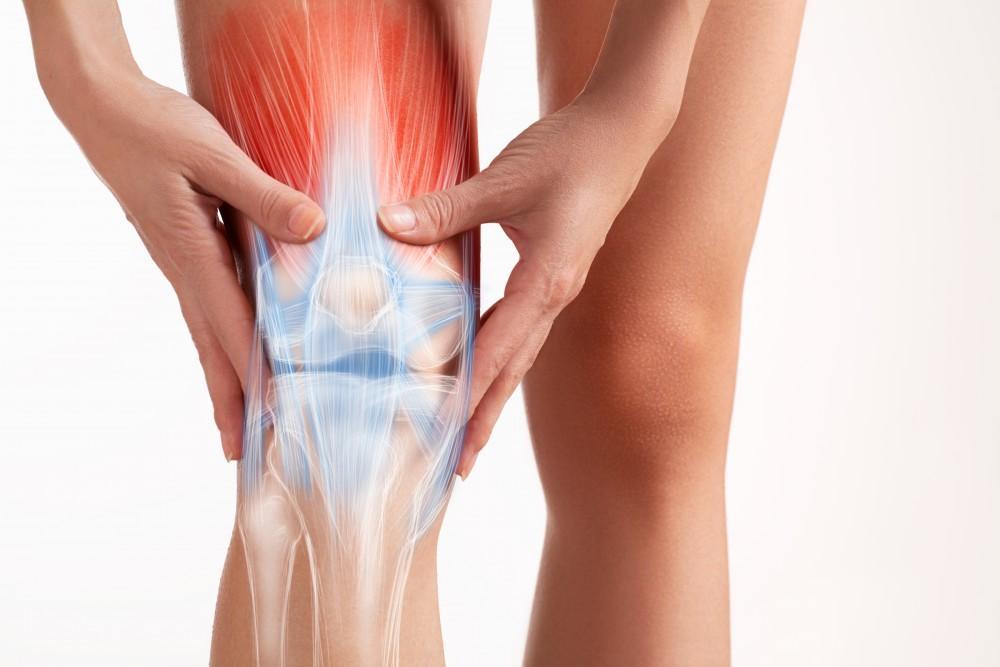
Knee arthritis is a condition in which the cartilage cushioning the knee joint gradually wears down. Cartilage allows smooth movement between bones. When it degenerates, bones begin to rub against each other, leading to pain, swelling, stiffness, and deformity.
Over time, untreated knee arthritis can result in:
-
Chronic pain
-
Difficulty walking
-
Reduced independence
-
Bowing of legs
-
Need for joint replacement surgery
Why Knee Arthritis Is Increasing in Chennai
Several city-specific factors contribute to the rising incidence of knee arthritis in Chennai:
-
Sedentary work culture and prolonged sitting
-
Obesity and metabolic disorders
-
Squatting and stair-climbing in daily life
-
Previous sports or road traffic injuries
-
Poor posture and weak muscle strength
-
Delayed medical consultation
Importantly, knee arthritis is no longer limited to people over 60. Many patients in their 40s and early 50s are now being diagnosed with early-stage arthritis.
Early Signs You Should Not Ignore
Knee arthritis does not appear overnight. It progresses slowly, giving warning signs along the way. Recognizing these early symptoms is critical.
Common Early Symptoms
-
Knee pain after walking or standing
-
Stiffness in the morning or after rest
-
Mild swelling around the knee
-
Pain while climbing stairs
-
Difficulty sitting cross-legged or squatting
-
Occasional cracking or grinding sounds
Ignoring these signs allows cartilage damage to progress silently.
Stages of Knee Arthritis
Stage 1: Early Arthritis
-
Mild cartilage thinning
-
Occasional pain
-
No major functional limitation
Stage 2: Moderate Arthritis
-
Increased pain and stiffness
-
Swelling after activity
-
Reduced walking distance
Stage 3: Advanced Arthritis
-
Severe cartilage loss
-
Constant pain
-
Deformity (bow legs or knock knees)
-
Difficulty in daily activities
Early intervention during Stage 1 or 2 can significantly delay progression.
Common Mistakes Patients Make
Many Chennai patients unintentionally worsen knee arthritis due to:
-
Self-medication with painkillers
-
Avoiding movement completely
-
Delaying orthopedic consultation
-
Continuing high-impact activities
-
Ignoring weight management
-
Seeking treatment only when pain becomes unbearable
Knee arthritis is not just about pain control—it is about joint preservation.
How Knee Arthritis Is Diagnosed
An experienced orthopedic specialist will assess:
-
Detailed clinical history
-
Gait and alignment of the legs
-
Range of knee motion
-
X-rays (weight-bearing views)
-
MRI (in selected cases)
Proper diagnosis helps determine whether non-surgical treatment, injections, or surgery is most appropriate.
Non-Surgical Treatment Options for Knee Arthritis
In early and moderate stages, knee arthritis can often be managed without surgery.
1. Lifestyle Modification
-
Weight reduction
-
Avoiding squatting and floor sitting
-
Using supportive footwear
2. Physiotherapy
-
Strengthening thigh and hip muscles
-
Improving knee stability
-
Reducing joint stress
3. Medications
-
Anti-inflammatory drugs
-
Pain relievers (used cautiously)
4. Knee Braces & Supports
-
Improve alignment
-
Reduce pain during walking
Injection Therapies for Knee Arthritis
For patients not responding adequately to basic treatment:
-
Hyaluronic acid (gel) injections
-
PRP (Platelet-Rich Plasma) injections
-
Targeted pain-relief injections
These treatments help reduce inflammation, improve lubrication, and delay surgical intervention in selected patients.
When Is Surgery Needed?
Surgery is considered when:
-
Pain persists despite conservative treatment
-
Walking becomes severely limited
-
Quality of life is affected
-
X-rays show advanced joint damage
Modern orthopedic care focuses on precision surgery with faster recovery, not just replacement.
Partial vs Total Knee Replacement
Partial Knee Replacement
-
For arthritis affecting only one part of the knee
-
Preserves healthy bone and ligaments
-
Faster recovery and more natural movement
Total Knee Replacement
-
For advanced arthritis involving the entire knee
-
Reliable long-term pain relief
-
High success rates with modern implants
The Role of Robotic Knee Replacement
Robotic-assisted knee replacement has transformed arthritis surgery.
Benefits:
-
Extremely precise implant positioning
-
Better alignment and balance
-
Less pain and blood loss
-
Faster rehabilitation
-
Longer implant lifespan
Robotic technology allows customized surgery tailored to each patient’s anatomy.
Living Well With Knee Arthritis
With the right guidance:
-
Many patients avoid surgery for years
-
Pain can be effectively controlled
-
Mobility and independence can be preserved
-
Surgical outcomes, if needed, are significantly better
The key is early consultation and individualized treatment.
Frequently Asked Questions (FAQs)
1. Is knee arthritis curable?
Knee arthritis cannot be reversed, but progression can be slowed and symptoms effectively managed.
2. At what age does knee arthritis start?
It can begin as early as 40, especially in overweight individuals or those with knee injuries.
3. Can walking worsen knee arthritis?
Correct walking is beneficial. High-impact or excessive walking without muscle support can worsen symptoms.
4. Are injections safe for knee arthritis?
Yes, when appropriately selected and administered by a specialist.
5. When should I consider knee replacement?
When pain affects daily life despite non-surgical treatments.
6. Is robotic knee replacement safe?
Yes. It improves precision and outcomes when performed by an experienced surgeon.
7. How long does recovery take after knee replacement?
Most patients walk within 1–2 days and resume normal activities in a few weeks.
8. Can knee arthritis be prevented?
While not always preventable, maintaining healthy weight, strong muscles, and early treatment reduces risk.
Consult a Knee Arthritis Specialist in Chennai
Dr. Arun Kannan
MS Orthopaedics (AIIMS)
FAOA (Australia), FARS (USA)
Senior Consultant Orthopaedic Surgeon
📍 Apollo Hospitals, Greams Road, Chennai
📍 Jayam Ortho Care, Kodambakkam, Chennai
Adjunct Faculty – IIT Madras
Dr. Arun Kannan is a highly experienced orthopedic surgeon specializing in:
-
Knee arthritis management
-
Robotic knee replacement
-
Robotic partial knee replacement
-
Hip and knee surgery
-
Complex and revision joint replacements
He is among the leading users of robotic joint replacement technology in Chennai and is known for patient-centric, evidence-based care.