

 5 January, 2026
Sleep Problems After Knee Replacement: Causes and Practical Solutions
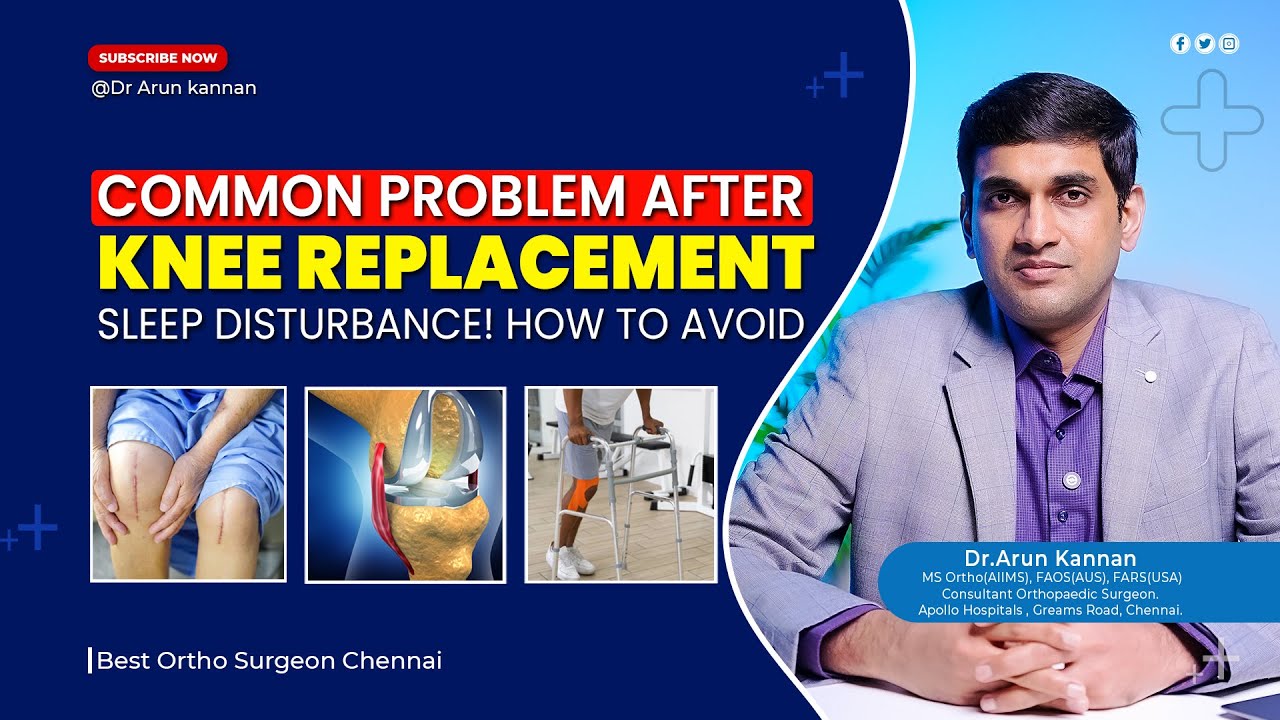
Difficulty sleeping after total knee replacement is a common and often worrying problem. You have a successful operation, you can walk and manage daily activities, but nighttime sleep does not return as expected. Sleep matters for healing, pain control, and overall recovery. Here is a clear, practical guide to why sleep is disturbed after knee replacement and what you can do to get better rest without harming your recovery.
Why sleep becomes difficult after knee replacement
There is rarely a single cause. Insomnia after surgery is usually multifactorial. The main contributors are:
- Stress and anxiety about surgery and recovery. Worry about whether the knee will be fine or whether recovery will be smooth keeps many people mentally alert at night.
- Pain and discomfort from the operation, swelling, and the body healing itself. Even when pain medicines control most discomfort, the remaining pain can disturb sleep for some people.
- Reduced daytime activity and altered routine. You walk less and move differently for days to weeks after surgery. Less daytime activity and increased daytime resting or naps make it harder to sleep deeply at night.
- Caffeine, tea, and habits that continue into late afternoon or evening. Stimulants and some routines delay sleep onset when your brain and body are already sensitized by pain and stress.
What to expect in the early weeks
Most people start sleeping better between two and three months after surgery. In the first few days and weeks it is normal to have disturbed sleep. The operation itself is standardized and has very good long-term success, so the lack of sleep is usually temporary and manageable.
Practical steps to improve sleep during recovery
Pain management — follow the prescription
Take pain medication as advised. The prescribed schedule is meant to keep pain levels low and predictable. Under-medication because of fear of side effects is common, but inadequate pain control often causes worse sleep and slower recovery. If pain is not controlled despite following instructions, inform the surgeon so the plan can be adjusted.
Time your pain medicine before bedtime
Plan your evening dose so peak effect coincides with bedtime. That helps reduce pain as you fall asleep and improves the likelihood of longer, uninterrupted sleep.
Stay as active as possible within limits
Light, regular walking and prescribed exercises help reduce stiffness, improve circulation, and tire the body appropriately for night sleep. Avoid long periods of sitting or lying down during the day. Mental engagement — chores, reading, light tasks — also helps maintain a sleep-wake rhythm.
Manage anxiety and mental tension
Remind yourself that knee replacement is a well-established procedure with high long-term success rates. Use relaxation techniques before bed — slow breathing, gentle stretching, or listening to calming music — to lower anxiety levels.
Limit naps and control evening stimulants
Avoid long or late naps, particularly morning naps that extend toward the afternoon. Stop tea, coffee, and other caffeinated drinks by 4 pm to prevent their stimulating effects from delaying sleep.
Comfort and positioning
Use pillow support and keep the leg comfortable. Elevation and proper positioning reduce swelling and pain at night. Experiment with placing pillows under the calf or along the outside of the knee for support while sleeping on your back.
Short-term sleep medication when appropriate
If anxiety and pain continue to prevent sleep, taking a short course of doctor-prescribed sleep medicine is generally safe. This is a temporary measure to break the cycle of poor sleep, as long as you follow the prescription and discuss it with your surgeon.
Simple checklist to improve sleep after knee replacement
- Follow pain medication schedule — do not underdose out of fear.
- Time your evening dose so it is active when you go to bed.
- Stay active during the day with walking and exercises you can safely do.
- Avoid naps and stimulants after 4 pm (tea, coffee).
- Use pillows and elevation to reduce swelling and improve comfort at night.
- Talk to your surgeon if pain or sleep problems persist — a short course of sleep medication or adjustment of analgesia may be needed.
When to be concerned
If sleep does not improve after a few weeks despite following the above measures, or if pain escalates, swelling increases suddenly, or you notice other worrying signs, contact the surgical team. Most cases resolve within two to three months with accurate pain control and lifestyle adjustments.
FAQ
Is it normal to have trouble sleeping after knee replacement?
Yes. Sleep disturbance is common after knee replacement due to pain, swelling, anxiety, and change in activity. It usually improves over weeks to a few months.
How long will sleep problems last?
Most patients see meaningful improvement in 2 to 3 months. Many factors influence recovery, but with good pain control and activity, sleep typically gets better within this period.
Should I take sleep medicine after surgery?
Short-term sleep medication prescribed by your doctor can be safe and helpful to break the cycle of poor sleep. Discuss risks and benefits with your surgeon and follow the prescription closely.
What if pain prevents me from sleeping?
Use the pain medication schedule provided, time your evening dose to cover bedtime, use elevation and pillows for comfort, and inform your surgeon if pain remains uncontrolled so the plan can be adjusted.
Can lifestyle changes really help?
Yes. Staying active within limits, avoiding late caffeine, reducing naps, and managing anxiety all help restore a normal sleep-wake cycle and improve nighttime rest during recovery.